
A mountain of garbage gave way in the dark, and 30 people never saw dawn.
Story Snapshot
- Heavy overnight rain triggered a deadly waste slide in Conakry’s largest landfill.
- Officials reported 30 dead, with several seriously and lightly injured.
- The collapse hit around 2 a.m. near tents and shacks by Dar Es Salam.
- Authorities had moved to close the unsafe site and relocate waste.
What Happened, Where, and When
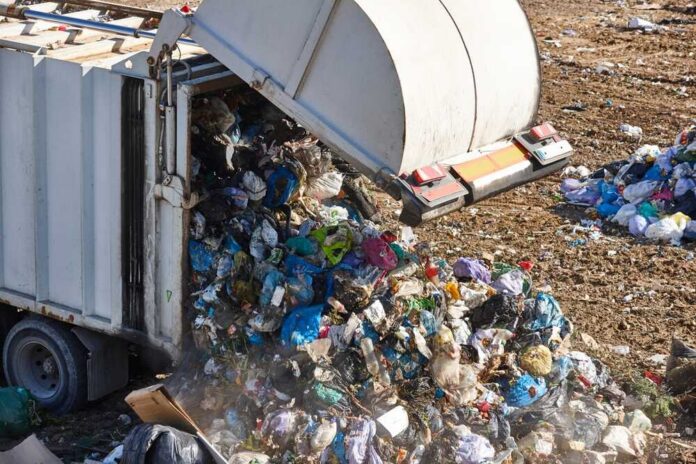
Guinea’s government said a massive waste mound collapsed after heavy rain, killing 30 people in Conakry. The slide struck at about 2 a.m. in the Gbessia commune by the Dar Es Salam landfill, the capital’s largest dump. The debris buried nearby tents and shacks.
Rescue teams pulled survivors and the injured from the mix of soaked garbage and mud. Early counts from some outlets were lower, as often happens in a rescue, but the government set the toll at 30.
Rescuers hunt for survivors after a landslide at a landfill in Guinea's capital killed 30 people. Heavy rains overnight prompted the collapse of a massive mound of waste that engulfed nearby tents and shacks https://t.co/5PaVINmF4g pic.twitter.com/z4vwxZNqZA
— Reuters (@Reuters) August 24, 2026
Officials reported six people seriously injured and 16 with lighter wounds. Families woke to floodlights and sirens as crews searched the unstable slope. Mud and refuse made access slow and dangerous.
Doctors at city hospitals received victims through the morning. Prime Minister Amadou Oury Bah went to the scene to assess damage and direct response efforts. The scale, timing, and location all fit a known pattern during peak rain in West African coastal cities.
Why It Failed: Rain Trigger, Old Risks
Heavy rain soaked the waste mass, added weight, and likely weakened the slope. That is the immediate trigger officials described. But the site’s condition mattered too. Authorities had identified Dar Es Salam as unsafe and slated it for closure, with plans to move waste outside Conakry.
Reports also said the government had ordered expulsions and safety measures near the dump in recent days due to collapse fears. A rainstorm reveals what poor drainage, excess piling, and encroaching housing have already set in motion.
Dar Es Salam’s danger was no secret to people living nearby. Open dumps grow into steep, saturated “garbage mountains.” Water runs through loose layers, then pressure and gravity take over.
The failure is sudden, but the setup is slow. International records show similar dump slides after intense rain, with homes on the edge hit hardest. This is not a freak accident; it is the typical end point of neglecting basic landfill rules and buffer zones around waste.
The Human Cost and the Response
The collapse buried families as they slept. Shacks and tents stood within reach of the falling waste. The first hours decided who lived. Crews dug by hand and with machines. Hospitals treated trauma, crush injuries, and hypothermia.
Civil protection teams worked under the risk of secondary slides. Government leaders appeared on site and promised action. That public presence confirms the event’s seriousness and the state’s role in relief and recovery. The count of injuries varied across reports, which is common during fast-moving rescues.
Towering landfill collapse kills 30 in Guinea’s capital, Conakry.
A landfill collapse in Conakry kills 30, injures six, and destroys homes after heavy rains in Guinea’s capital.
At least 30 people have been killed after a towering heap of rubbish collapsed at the largest… pic.twitter.com/Ok1Cly4ru6
— Rukiga F.M (@rukigafm) August 24, 2026
Neighbors described muffled cries and the smell of rot turned to sludge. Survivors will need safe housing, clean water, and mental health care. The area needs rapid debris removal, drainage control, and a cordon to keep people away from unstable edges.
The next rain could move what remains. Clear orders, clear perimeters, and visible enforcement will save lives this week. Quick fixes buy time; the real fix is moving waste and closing the slope for good.
What Must Change Next
Officials say they are closing the landfill and relocating waste. That must happen on schedule and in the open. Build drainage that handles peak storms. Enforce a buffer so no home or tent sits within a slide zone.
Compact and bench slopes to cut failure risk. Post daily inspections during rain. Publish the closure order and the timeline so the public can see progress. These are common-sense steps that align with basic engineering and accountable governance.
The lesson extends beyond Conakry. Growing cities across Africa and beyond face the same trap: more people, more trash, weak sites, and harder rains. Rain is the match; mismanaged dumps are the dry grass.
Leaders who act before the sirens avoid nights like this. Leaders who stall invite them. Guinea now has a narrow window to prove that a known hazard can become a controlled site. The measure will be simple: when the next big storm hits, nothing moves.
Sources:
reuters.com, english.ahram.org.eg, amp.dw.com, apnews.com, instagram.com, facebook.com