
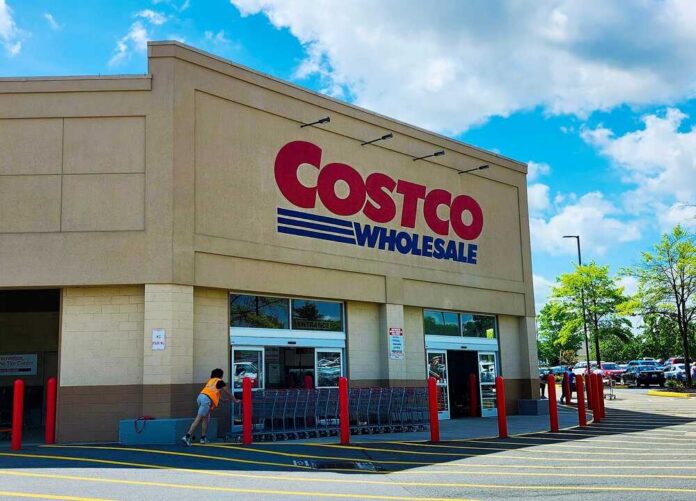
A single wrong label on a family-size package can turn dinner into an ER-level emergency for the one person at the table who never takes “may contain” lightly.
Quick Take
- Costco pulled Giovanni Rana “Rustic Beef Sauce & Creamy Burrata Cheese” ravioli sold only in Maryland and New Jersey after a labeling mix-up.
- Some packages labeled as beef and burrata may actually contain shrimp and lobster sauce, a serious risk for shellfish-allergic shoppers.
- The problem surfaced after two consumer complaints, then the manufacturer notified USDA’s Food Safety and Inspection Service.
- No confirmed adverse reactions were reported as of the recall alert, but consumers were told to return or discard the product.
The Recall That Starts in a Freezer and Ends in a Lawsuit File
Costco’s recall in Maryland and New Jersey spotlights a uniquely modern problem: the “invisible ingredient.” Giovanni Rana’s 32-ounce refrigerated ravioli, sold as “Rustic Beef Sauce & Creamy Burrata Cheese,” may instead contain shrimp and lobster sauce.
For most shoppers, that’s a taste surprise. For a shellfish-allergic customer, it’s a medical threat that can escalate fast, especially when the warning never appears on the label.
Costco recalls popular product in 2 states over potential ingredient mix-up https://t.co/iUQu0nExof
— FOX Business (@FoxBusiness) May 6, 2026
Food recalls often read like bureaucratic paperwork until you translate them into household reality. This wasn’t a nationwide pull; it was limited to two states, which can lull people into assuming the risk is “somewhere else.”
Costco’s model also changes the math: bulk packaging encourages storage. A product with best-by dates stretching into late June 2026 can sit in a fridge or freezer long enough to outlast the news cycle.
What Actually Went Wrong: Packaging Said Beef, Filling May Be Shellfish
The core issue is mislabeling, not spoilage. The packages in question were labeled as beef sauce and burrata, but consumers reported finding shrimp ravioli inside.
That mismatch matters because shrimp and lobster are among the shellfish allergens, the kind that can trigger severe reactions in sensitive individuals.
The establishment number associated with the product is “44870,” and the recall focused on specific best-by dates from May 14, 2026, through June 25, 2026.
Two consumer complaints triggered the chain reaction: someone opened the package, noticed the contents didn’t match the front label, and reported it.
The manufacturer then notified the USDA’s Food Safety and Inspection Service, which issued the public alert. That sequence should bother anyone who expects safety to work like a net, not like a fire alarm. Consumer vigilance saved the day, but the error still reached refrigerators first.
Why Shellfish Mislabeling Is Different from “Just a Recall”
Shellfish allergies aren’t lifestyle preferences or “sensitivity” complaints; they’re a high-consequence medical condition. A person who relies on labels as their primary defense can’t “play it safe” when the label itself is wrong.
That’s why allergen mislabeling recalls land in a different moral category than most quality issues. If a ravioli tastes off, you stop eating. If it contains an undeclared allergen, your first symptom can be the last warning.
No confirmed adverse reactions were reported at the time of the recall notice, but that fact can mislead. Many allergic consumers avoid risk because they read labels carefully; mislabeling removes the protection that prevents incidents from happening in the first place.
The takeaway is straightforward: personal responsibility only works when institutions do the basics honestly. Accurate labeling is the basic promise of commerce, not a luxury.
Costco, USDA FSIS, and the Quiet Power of the “Voluntary” Recall
USDA FSIS sits at the top of the authority chain for meat- and poultry-adjacent products and serves as the referee when something goes wrong. The recall here was described as voluntary, but “voluntary” often means “do it now, or enforcement gets louder.”
Costco’s job is execution: pull product, post the notice, and handle returns. The manufacturer’s job is root-cause correction—what failed, where, and how to prevent a repeat.
Ravioli production runs at high speed, and mix-ups usually stem from line changeovers, packaging roll errors, or breakdowns in verification steps that should catch a mismatch before pallets ship.
Those steps exist because modern plants don’t just produce a single product; they rotate through variants, sauces, fillings, and labels. When process discipline slips, the shopper becomes the quality control department. That’s unacceptable, even when the incident seems limited and contained.
What Smart Consumers in MD and NJ Should Do Tonight
Households in Maryland and New Jersey that shop at Costco should check their refrigerators and freezers for Giovanni Rana “Rustic Beef Sauce & Creamy Burrata Cheese” ravioli that match the affected details, including the establishment number and best-by window noted in the recall.
Don’t taste-test to confirm. Treat the package as potentially containing shellfish and keep it away from anyone with allergies, including through cross-contact in your kitchen trash.
Returning it for a refund isn’t just about money. Returns data created: they show how much product reached homes and how quickly the recall message reached real people.
That feedback loop pressures both retailers and suppliers to tighten controls. If you cook for guests, this episode is also a reminder to save packaging until after the meal. The label is your only evidence when something feels off, and evidence matters.
The Bigger Lesson: Trust Is Built in Boring Moments
Costco’s reputation rests on consistency, and food brands like Giovanni Rana trade on an image of premium reliability. Recalls chip at that trust even when no one reports harm, because they reveal how thin the margin is between “dinner” and “danger.”
Strong systems assume human error and stop it early with redundancy. Weak systems rely on luck, and luck always runs out eventually. Shoppers should demand the boring competence that keeps families safe.
Costco recalls popular product in 2 states over potential ingredient mix-up https://t.co/iUQu0nExof
— FOX Business (@FoxBusiness) May 6, 2026
Allergen labeling should be non-negotiable, and the best policy is the simplest one: say what’s inside, every time, with verification that doesn’t depend on a consumer complaint.
That standard aligns with basic clear information, accountability, and consequences for preventable mistakes. When the product in the package doesn’t match the words on the front, the market can’t function properly. A recall fixes today’s problem; discipline prevents the next one.
Sources:
Costco recalls popular product in 2 states over potential ingredient mix-up